Essential Beginner DIY Tools Every New Homeowner Should Own
If you’ve been wanting to dive into DIY but feel totally overwhelmed by which tools to buy first, you’re in the right place! We’ve all been there. Made the wrong purchases, struggled through projects that should’ve taken ten minutes…
Heres exactly which beginner DIY tools make everything easier. Save yourself the stress and get the essentials that actually matter.
Heads up! This post contains some affiliate links. If you shop through them, at no extra cost to you I might earn a little something—like a virtual high-five! I only share products I genuinely believe in and think you’ll love too.

Getting into DIY feels exciting until you stand in the tool aisle and suddenly everything looks like a spaceship… You grab something because the box looks cute or the price seems low, and then you end up back home staring at wood you can’t cut and screws you can’t drill. I’ve done all of that!
Beginner DIY tools don’t have to be confusing. You just need a small, smart lineup of tools that make your projects feel doable instead of stressful.
Once you understand what each tool actually does, you’ll feel so much more confident. You’ll walk into Home Depot with your iced coffee, knowing exactly what to grab and why.
Think confident, handy, and ready to build something beautiful with her own two hands.
Today we’re walking through the beginner DIY tools that I genuinely think every first timer should start with. These must have DIY tools are affordable, easy to learn, and perfect for building, decorating, cutting wood, prepping paint surfaces, and getting comfortable with home projects.
And yes, we’re absolutely talking about power tools because they make life easier.
Let’s jump in.
This post is all about beginner diy tools.
1. A Good Drill: Your Everyday, Do Everything Tool
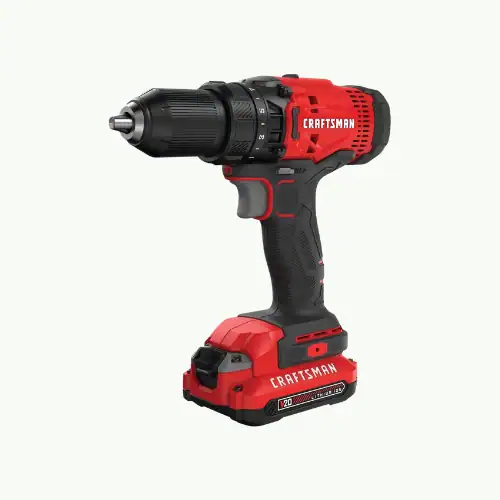
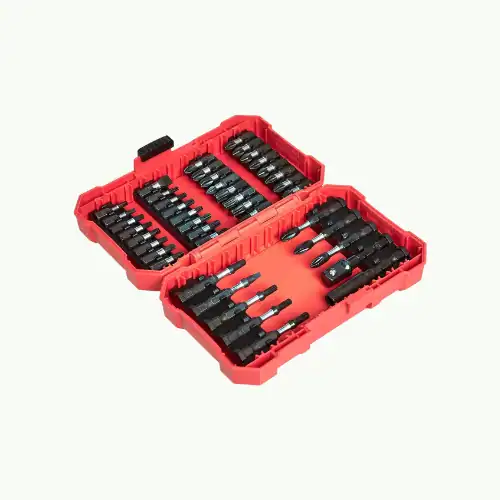
A drill is the first tool every beginner should own. Even if you never pick up another power tool, this one will help you hang curtains, install mirrors, mount shelves, assemble furniture, and put up large picture frames without sweating or stripping screws.
When you’re looking for one, get a drill with a removable battery. This is a small detail that makes the biggest difference, because the same battery will often fit your future tools from that brand. That means fewer cords and more freedom to move around.
It’s not technically one of the essential tools for DIY woodworking, but around the house, it’s priceless! You know that moment when you’re holding a curtain rod with one hand and praying it doesn’t fall while you twist in a screw with the other? A drill solves all of that…
Once you have this, you officially feel like you can handle anything.
2. The Miter Saw: Clean, Sharp, Confidence Boosting Cuts

Here’s the truth, a miter saw is the tool that makes you feel like you’re not just dabbling in DIY anymore. You’re in it… And the crazy part is that it’s actually very beginner friendly. It gives you straight, clean, exact cuts with almost no learning curve.
If your project list includes floating shelves, framing, baseboards, plant stands, wood trims, or any type of angled cut, this tool is your best friend. The sliding version is even better because it allows you to cut wider boards without wrestling them.
And if you’re scared of it at first, trust me, that lasts one minute. Once you pull the handle for the first time, you realize how stable and controlled it feels. That’s why so many people call it one of the must have DIY tools for anyone starting out.
If your budget is tight though, I’ll tell you which tool to get instead in just a second!
3. A Nail Gun: Fast, Clean, And Extremely Satisfying

Using a nail gun is one of the most satisfying moments in DIY. The click, the clean finish, the speed. It completely transforms your projects.
Battery powered nail guns are the move because you don’t have to deal with a compressor or long air hoses dragging behind you. This makes it one of the best beginner tools for anyone working inside apartments or small spaces.
You’ll use this for:
• Accent walls
• Trim
• Simple furniture building
• Framing
• Installing molding
And once you use one, hammering nails feels like the stone age.
Save For Later:
Best Home Tools Under $100 for Easy DIY Projects
14 Easy Ways to Make Your Home Look More Expensive
4. A Power Sander: Because Smooth Wood Is Everything


A sander is a must, especially if you want your projects to look clean and professionally finished. Even if you’re building something simple, rough edges can make it look messy. A good sander smooths everything out, removes old finishes, preps furniture for painting, and helps your stain come out even.
A corded sander is great if you don’t want extra batteries or bulk. It stays powerful and steady the whole time because it’s plugged in. When you’re sanding a big piece, you want that consistency.
Pair it with sanding discs like these so you’re never scrambling when a pad wears out.
This is one of the essential tools for DIY furniture flips, woodworking, and even simple touch ups. I always tell beginners this is a tool you’ll use more than you expect.
5. Circular Saw: The Budget Friendly Tool That Can Do Almost Everything

If your budget is tight and you can only splurge on one cutting tool, choose a circular saw. This is the one tool that can cut large wood pieces, long boards, plywood sheets, and pretty much anything else you bring home.
It’s powerful, simple, straight to the point, and way more affordable than other saws. Yes, a miter saw is easier for beginners, but a circular saw can do most of the same cuts once you practice.
This little red Skil saw is a perfect example of what beginner DIY tools should be. Light, manageable, and strong enough for real projects without feeling intimidating.
And this is the part nobody tells you… The brand doesn’t matter as much as the blade. A great blade can make a cheap saw perform like a pricey one.
6. A Grinder: The Bonus Tool You’ll Be Glad You Have
A grinder isn’t always on beginner lists, but trust me, once you have one, you’ll use it constantly. It cuts metal, removes rust, smooths down awkward edges, and helps you fix or clean up older pieces without stressing.
It’s like the quiet hidden gem of must have DIY tools. You don’t think about it until you need it, and then suddenly it becomes your hero.
Safety Gear: The Most Important Part Of Your Toolkit
Let’s be honest again. DIY is fun but the tools do not play! Having the right safety gear is non negotiable.
A face shield or head protection set like this feels extra, but it’s genuinely one of the essential tools for DIY when you’re cutting, sanding, or grinding. It keeps dust, wood, and debris out of your eyes and ears while you work, and it makes the whole experience less stressful.
Gloves definitely matter. Get a pair that’s cut resistant, flexible, and bright enough that you can see your hands clearly while you’re working. The number one beginner mistake is grabbing wood or blades too quickly. Gloves give you that extra barrier of confidence.


A Few Extra Things Beginners Should Know
Here’s the truth. Beginner tools are amazing, but timing your purchases is even smarter. Tools go on sale constantly. Black Friday and holiday weekends are the perfect time to grab the bigger items like saws, nail guns, or sanders.
And this is important. Don’t overthink brands. Some people swear by one brand their whole life but honestly, for beginner DIY tools, the main thing that matters is the blade or the bit you put into the tool. A great blade turns an average tool into a powerhouse.
What To Buy First For Beginner DIY Tools?
If you’re on a tight budget, start with:
- A drill
- A circular saw
- A sander
These three beginner tools will let you build shelves, cut boards, sand furniture, hang decor, and start discovering what types of projects you enjoy.
If you have a little more room:
- Nail gun
- Miter saw
- Grinder
These turn your projects from beginner to polished quickly.
You’re Officially Ready To DIY
Starting with beginner DIY tools doesn’t mean starting small. It means starting smart. Every tool you buy unlocks another level of confidence, and before you know it, you’ll be building things you never thought you could.
Plus these essential tools for DIY don’t require years of experience. They just need patience and the courage to start.
This post is all about beginner diy tools.