How To Run An Airbnb remotely and Still Get 5-Star Reviews
Have you ever wondered how people manage beautiful Airbnbs from hundreds of miles away and still keep perfect reviews? Learning how to run an Airbnb remotely isn’t about luck, it’s about systems and the right tools. I’ve been there, running 25 properties without being on site, and I’m breaking down exactly how to do it the smart way.
Heads up! This post contains some affiliate links. If you shop through them, at no extra cost to you I might earn a little something—like a virtual high-five! I only share products I genuinely believe in and think you’ll love too.
If you’ve ever wondered how to run an Airbnb remotely, you’re not alone. It’s one of the biggest questions new hosts ask and for good reason. Running a short-term rental from a distance sounds amazing in theory, but it takes more strategy, structure, and reliable systems than most people expect.
Hey, I’m Sheraine, and I’ve managed a short-term rental business for years, scaling from a single listing to over 25+ properties that generated seven figures. It was fun, rewarding, stressful, and eye opening all at once. I learned the hard way what works (and what absolutely doesn’t) so you don’t have to.
This guide will walk you through everything I’ve learned about how to run an Airbnb remotely, the smart tools that actually make your life easier, the kind of people you need on your team, and the truth about whether it’s really as easy as the internet makes it look.
This post is all about how to run an airbnb remotely.
Let’s start with the backbone of remote hosting, your tech.
1. The Tech That Keeps Your Airbnb Running
Technology is your best friend when you’re managing Airbnbs remotely. Without it, your business will collapse the first time a guest gets locked out or the Wi-Fi cuts out in the middle of a stay. The good news is that once your systems are set up properly, you can monitor and manage your properties almost completely hands off.
Here’s the exact tech stack I recommend after years of trial and error.
Smart Locks (Non Negotiable)
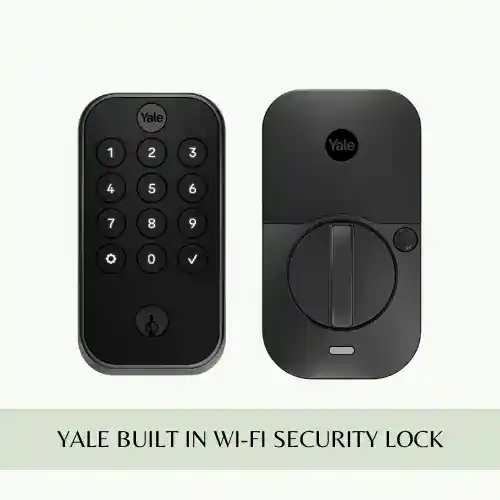
If you take one thing away from this section, let it be this: invest in a smart lock and specifically, the Yale Smart Lock.
I’ve tested dozens of brands, and Yale is the only one I trust across multiple properties. It’s fully integrated with Airbnb, meaning the system automatically creates unique door codes for each guest and changes them after checkout. That level of automation is priceless for security.
Why does this matter?
Because people are unpredictable. Some might try to return to the property or share codes with others. You need control. A smart lock gives you:
- A new code for every guest (set it and forget it).
- A permanent code for cleaners or staff.
- Real time access tracking so you know who’s entered and when.
Pro tip: Always get the version with built-in Wi-Fi, even though it costs more. You’ll thank yourself later when you can reset codes remotely without driving across town.
Smart Thermostat

If your property is anywhere with changing seasons think New York, New Jersey, Chicago, you need a smart thermostat.
Guests love to crank the heat to 80°F thinking it’ll warm up faster… it won’t, and it can destroy your system. With a smart thermostat, you can:
- Control the temperature remotely from your phone.
- Set boundaries so guests can’t overwork the HVAC.
- Monitor energy use and prevent outrageous bills.
Brands like Nest or Ecobee integrate easily with Airbnb and let you strike the perfect balance between comfort and control.
Backup Keys and Lockbox

Even with the best smart lock, batteries die. Technology fails. A guest might panic if they can’t figure out how to use the keypad. That’s where a backup key system saves the day.
Keep a physical set of keys in a discreet lockbox near the property. Only you and your cleaner or manager should know where it is. This one small step can prevent a 2 a.m. meltdown and a terrible review.
Extras, Extras, Extras
Running an Airbnb remotely means you can’t drive over every time something goes missing or breaks. Your rule of thumb: buy three of everything.
Keep your storage stocked with:
- Three sets of sheets per bed
- Three comforters or blankets
- Extra remotes and Roku controls
- Extra batteries for smoke detectors and smart locks
- Spare lightbulbs, toilet paper, and cleaning supplies
You can’t predict when things will go wrong, but they will…usually all at once. Having extras on hand keeps your cleaner and guests happy, and it prevents panic shipping last-minute supplies.
Smart Storage System
If you’re managing Airbnbs with multiple bedrooms or multiple properties, dedicate one locked closet or small storage area for supplies. Label everything clearly and use bins for each category bedding, toiletries, tech. It saves hours for your cleaners and ensures they always know where replacements are.
Wi-Fi Monitoring and Ring Doorbell Camera
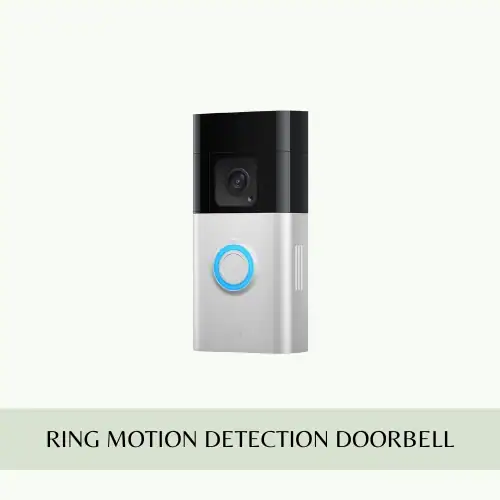
Finally, make sure your Wi-Fi is reliable and monitored remotely. Consider using smart routers that allow resets through an app. You can also install an outdoor doorbell camera facing the entryway only. This helps you verify checkins, prevent unauthorized parties, and ensure security without invading guest privacy.
That covers the tech foundation of how to run an Airbnb remotely.
Once your systems are set up, the next step is building your team. The people who keep your operation running smoothly when you’re miles away.

2. The People You Need To Run an Airbnb Remotely
Once your tech is set up, the next most important part of how to run an Airbnb remotely comes down to people.
No smart lock, thermostat, or camera can replace having a reliable team on the ground.
And trust me, the people you choose can make or break your business.
When I scaled my business to 25+ properties, the difference between chaos and calm was my team. The truth is, you can do it all yourself for a while. But if you’re serious about managing Airbnbs remotely, eventually you’ll need help.
Here’s who that help should be.
1. A Property Manager or Lead Contact
A property manager isn’t always required, but they can make life a whole lot easier, especially if you have multiple units.
Their job is to check in after cleaners, handle small emergencies, and make sure everything looks perfect before a new guest arrives.
Think of them as your second set of eyes and ears.
If you’re just managing one or two Airbnbs, you can skip a full time manager and rely on your cleaner for double duty.
But once you hit three or more properties, you’ll need someone to make sure standards don’t slip.
A great manager:
- Knows your property inside out
- Can troubleshoot simple guest issues in person
- Communicates clearly with both you and your cleaners
- Understands the importance of 5 star reviews
Hiring the right person for this role means your property keeps running smoothly even when you’re asleep or on vacation.
Save For Later:
How Does Airbnb Hosting Work? Easy Guide for Beginners
Short Term Rental Checklist Every New Host Must Have
Airbnb Cleaning Rules 101: Contracts, Checklists & Secrets Exposed
2. A Reliable Cleaner
Your cleaner is everything!
If you’re wondering how to manage Airbnb remotely, the number one answer is: get a cleaner you can trust.
Guests will not forgive a dirty house.
A spotless property is the foundation of good reviews and repeat bookings, and your cleaner is the one who guarantees that.
After years of trial and error, here’s what I’ve learned about finding the right cleaner:
- Look for someone mature, dependable, and professional.
Older cleaners, especially those who treat it as a real job, not a side hustle, are often the most consistent and loyal. - Train them well. Walk them through exactly how you want everything done the first few times.
- Give them a checklist. That way, nothing gets missed when you’re not there to double check.
- Pay fairly… A good cleaner is worth their weight in gold. It’s better to pay slightly more for someone who treats your property like their own.

Once you’ve found your person, do everything you can to keep them happy. They’re not just a cleaner; they’re your secret weapon.
3. Customer Service Support or Smart Systems
This is where most hosts fail.
You can have a beautiful Airbnb, but if you don’t respond to guest messages fast enough, you’ll lose bookings, get bad reviews, and eventually drop in the search rankings.
When you’re figuring out how to run an Airbnb remotely, the best thing you can do is automate your guest communication or hire help for it.
You have two solid options:
Option A: Hire a Dedicated Customer Service Rep
If you have steady bookings, you can hire someone part time or full time to manage messages.
You can even outsource overseas. I’ve worked with amazing reps from the Philippines who handled messages around the clock for a fraction of the cost.
Their job is simple:
- Respond quickly to all inquiries
- Send pre-written messages for checkin and checkout
- Handle small issues professionally so guests feel heard
Option B: Use a Smart System
If hiring isn’t in your budget yet, use automation tools.
For example, my Customer Service Hero system and Guest Message Scripts (available in my shop) are designed for hosts managing Airbnbs remotely.
They cover everything from what to send before checkin, to how to reply if something goes wrong, all prewritten so you can copy, paste, and personalize as needed.
Airbnb Templates



Even with smart systems, though, you still need someone, even if it’s you, checking in daily to make sure guests are happy.
4. A Virtual Assistant (VA)
When your business starts growing beyond a few listings, a VA becomes your right hand.
My virtual assistant handled everything: talking to Airbnb support, checking cleaning schedules, managing guest messages, and following up on supplies or repairs.
If you’re serious about scaling and really learning how to manage Airbnb remotely, a VA is your key to going from busy to balanced.
A great VA will:
- Communicate with cleaners and managers
- Track checkin/checkout schedules
- Reorder supplies when stock runs low
- Report urgent issues to you immediately
You can hire a VA through platforms like Upwork or Fiverr. Start with a small number of hours per week, and as your business grows, you can expand their role.
If you had to pick between a manager, VA, or customer service person, I’d say:
Start with the customer service help first. Guest communication is where reputation is made or destroyed.
5. A Runner or Local Helper
Even with the best systems in place, things happen.
Maybe a guest locks themselves out. Maybe a cleaner calls in sick. Maybe a faucet breaks midstay.
You need a runner. A local person you can call to handle small emergencies or deliveries.
Your runner can be:
- A neighbor you trust
- A handyman
- Or a local friend who lives nearby and wants a side hustle
Pay them per visit or on a small monthly retainer. Their job is simple, go check on the property when something needs a physical touch you can’t provide remotely.
6. Build Relationships With Your Neighbors…
This is one of the most overlooked tips in the entire hosting world.
When people ask me is it hard to manage an Airbnb, I say… if you ignore your neighbors.
They can be your biggest headache or your greatest asset.
Even if you think they might not love the idea of short-term rentals, introduce yourself, exchange numbers, and keep things friendly.
Why? Because if something happens like a loud party or guest issue, they’ll text you instead of calling the police or filing a complaint with the city. That one move could save big time!
Ok, now that we’ve covered the human side of how to run an Airbnb remotely, it’s time to move on to the next big topic. The systems and things you need to do every single time to keep your Airbnb business running smoothly.
3. The Systems and Things You Need To Do
Now that we’ve covered the people and the tech, it’s time to talk about the systems that make everything work together.
When it comes to how to run an Airbnb remotely, this is where most hosts either shine or completely fall apart.
Remote hosting isn’t about being on your phone 24/7 or answering messages at 2 a.m.
It’s about having clear processes in place so your business keeps running whether you’re home, on vacation, or halfway across the world.
These are the daily, weekly, and situational things you need to do to keep everything on track.
1. Communicate Clearly and Set Expectations
Guests are happiest when they know exactly what to expect.
That means filling out every detail in your Airbnb listing. Every single thing.
If you list a blow dryer, it better be there! If your Wi-Fi is strong in the living room but weaker in the bedroom, mention it. Transparency doesn’t turn guests away; it builds trust.
Think about it this way. Someone might not care that there isn’t a pool, but they’ll absolutely care if you said there was and it’s not there. So set clear expectations.
Fill out every detail section in your Airbnb dashboard and be upfront about house rules, amenities, and limitations. You only have to do it once, and it will save you from constant misunderstandings later.
2. Use Automation Tools for Guest Messaging
Guest communication is one of the biggest parts of how to run an Airbnb remotely successfully.
If you’re not communicating fast enough, you’ll lose bookings and your response rate will drop.
Airbnb favors listings that respond quickly, so you need to be consistent.
Luckily, there are plenty of tools that can make this easy.
Use Airbnb’s builtin scheduled messages for things like checkin instructions, reminders, and thank you notes.
If you want to take it further, use automated systems like Guest Message Scripts I created for hosts.
These are designed to make your life easier by giving you every message you’ll ever need, ready to go.
That means your guest gets quick, consistent, professional responses every single time without you having to manually type them out.
3. Have a Clear Cleaning and Restocking System
Your cleaner should never have to text you asking where the extra sheets are or what to do when something breaks.
That’s where your cleaning system comes in.
Create a clear checklist and print it out to leave in your cleaning closet or storage area.
It should include:
- A full cleaning list for each room
- Notes about what to restock after every checkout
- A section for damages or missing items
This checklist helps your cleaner move faster and ensures consistency across every stay.
It also saves you from endless messages and confusion when you’re managing multiple Airbnbs remotely.
Restocking is also part of your system. Have everything labeled and stored properly so your cleaners can find supplies easily.
That includes toiletries, paper towels, dish soap, toilet paper, and small items like sponges and trash bags.
When I was managing properties, I learned that disorganization kills efficiency.
A well stocked storage area with labeled bins can literally save hours every week.

4. Stay Ahead of Maintenance
If you want to know how to manage Airbnb remotely without constant emergencies, this is it.
Do not wait for guests to report issues.
Schedule monthly or quarterly maintenance checks for things like filters, smoke detectors, batteries, and appliances.
If you have a manager or reliable runner, have them do a walkthrough after every few stays.
This helps prevent things like:
- Thermostat malfunctions
- Broken locks
- Leaking sinks
- Clogged drains
It also saves you from bad reviews. Guests don’t care that it just broke. They expect things to work.
By staying proactive, you look professional and your property lasts longer.
5. Keep a Local Emergency List Handy
Every property should have an emergency guide posted inside.
It’s not just about being cautious; it’s about being prepared.
This should include:
- The nearest hospital
- The local police and fire department
- Utility emergency lines
- Your property manager or runner’s contact information
Print it out and frame it or keep it in your digital house manual.
Guests rarely need it, but when they do, it’s a huge relief to have everything in one place.
6. Refunds, Discounts, and Guest Satisfaction
Let’s be real. No one likes giving refunds…
But here’s the truth, it’s part of the business!
Sometimes guests complain just to get money back, and sometimes they have legitimate issues.
Either way, if you’re serious about running a successful Airbnb remotely, you need to know when to stand firm and when to offer a solution.
If something goes wrong that’s your responsibility, always offer a small discount or refund.
It can be the difference between a 5 star review and a 2 star rant that tanks your listing.
Guests will remember how you made them feel more than what actually happened.
A sincere apology, quick fix, and small refund shows professionalism and keeps your reputation strong.
And that matters more than being right.
7. Keep Your Listings Active and Updated
One of the easiest ways to lose bookings is by letting your listing sit unchanged.
Airbnb’s algorithm loves active hosts.
That means updating photos, adjusting pricing, and refreshing your descriptions regularly.
You can do this monthly or quarterly, depending on your schedule.
Add new photos if you’ve upgraded furniture, switched decor, or changed your amenities.
And make sure your titles and captions highlight what’s most unique about your space.
This simple step helps keep your listing relevant and high ranking in searches, which is especially important when you’re managing Airbnbs remotely.
8. Don’t Be Cheap About Essentials…
This one might sting a little, but it’s the truth.
Guests know when you cut corners.
If you advertise “luxury” but provide paper thin towels or cheap bedding, they’ll notice.
Buy quality where it counts.
Invest in:
- Comfortable mattresses and pillows
- Soft towels and sheets
- A decent coffee maker
- High quality cleaning products
Guests will remember the comfort, not the cost.
And small touches like a welcome card, snacks, or complimentary water bottles go a long way.
It’s these details that make your Airbnb feel cared for even when you’re not there.
9. Know Your Local Rules and Regulations
If you’re operating remotely, make sure your property complies with local Airbnb laws.
Every city has its own regulations about short term rentals, permits, and taxes.
Never assume you can just list your property and start collecting bookings.
If you’re caught operating illegally, Airbnb can suspend your account and the city can fine you heavily.
Before you even go live, research your city’s short-term rental policies.
Register your property if required, and pay attention to neighborhood restrictions.
This helps you avoid big problems later and keeps your business running smoothly.

4. The Truth About Running an Airbnb Remotely
So here’s the real deal. Everyone online makes managing Airbnbs look so easy. They post videos showing perfect apartments, automated messages, and payouts hitting their bank accounts while they’re on vacation. It looks glamorous, but if you’re going to learn how to run an Airbnb remotely, you deserve to know the truth…
You can absolutely do it, and it can be a life changing business. But it’s not effortless. It’s not set it and forget it. It takes time, patience, and a willingness to treat it like what it is, a real business.
Let’s break down what’s true and what’s not, so you go in prepared instead of surprised.
1. You Can Run an Airbnb 100% Remotely… But You Shouldn’t
This is the part no one wants to say out loud.
Yes, you can run your Airbnb completely remotely. But if you’re just starting out, I don’t recommend it.
Here’s why.
When you’re learning the ropes, being hands on helps you understand how everything works, what your guests expect, what your cleaners miss, and how long checkouts really take. You learn what problems come up and how to fix them fast.
Once you’ve mastered that process, you can start stepping back.
But at the beginning, being too far removed can create chaos. Your cleaner might miss something, your guest might message with an urgent issue, and you’ll have no idea what’s really going on.
If you want your business to actually last, you should still check in regularly, even if it’s from afar.
Read your reviews, message your team, and look at your photos every few months to make sure your property still looks exactly like your listing.
If you can, visit once or twice a year to make sure everything feels right. It’s the best way to stay in touch with your business while still enjoying the freedom of running it remotely.
2. People Will Disappoint You and That’s Okay
If you’re planning to run Airbnbs remotely, prepare yourself: not everyone you hire will do their job perfectly.
Your cleaner might cancel last minute. Your customer service rep might miss a message. A guest might complain about something ridiculous.
It happens!
The key is not letting these things ruin your day or your business.
Build backups for everything. Have two cleaners on call, two runners if possible, and more than one person who can help guests in an emergency.
Don’t panic when something goes wrong, it will. Just fix it, learn from it, and move on.
The best hosts don’t avoid problems; they get better at handling them quickly and professionally.
3. Some Guests Will Lie, But Most Won’t
Here’s another truth most people won’t tell you when they talk about how to run an Airbnb remotely.
Yes, a few guests will lie to get money back. They’ll make up stories about broken items or noise issues that never happened.
But the majority of guests are good people. They’re traveling, celebrating, or just looking for a clean, safe place to relax.
So don’t run your business from a place of paranoia.
Use your systems, your smart tech, and your team to protect yourself, and then let the rest go.
4. You’ll Work Hard in the Beginning, Then Reap the Rewards
Managing Airbnbs remotely becomes easier over time, but not in the beginning.
The setup takes effort. Installing your locks, training your cleaners, writing messages, and learning how to manage everything from your phone.
Once you’ve done that, though, it’s truly one of the most rewarding businesses to be in.
You can make money while you sleep, you can build something that gives you freedom, and you can design spaces that people love staying in.
But make no mistake, the first few months will feel like a lot.
You’ll make mistakes, learn from them, and eventually build a system that works for you.
That’s when it becomes fun again.
5. The Biggest Secret: Treat It Like a Real Business
If you want to succeed long term, this is the biggest secret of all.
You have to treat your Airbnb like a real business, not a side hustle.
That means tracking your income and expenses, keeping digital records, setting up a business bank account, and creating a system for handling problems.
It also means learning to think ahead.
If you see a slow season coming, start a discount or promotion early.
If you know a big event is happening in your city, raise your rates before everyone else does.
Running an Airbnb remotely works best when you plan like a CEO and operate like a guest.
Always ask yourself, Would I want to stay here? If the answer is yes, you’re doing something right.
8. So, Is It Hard To Manage an Airbnb?
Honestly, yes and no.
It’s hard at first because you’re juggling new systems, new people, and new challenges.
But once you’ve put everything in place, it becomes one of the easiest and most flexible businesses you can run.
You’ll learn to automate, delegate, and simplify.
You’ll stop reacting to problems and start preventing them before they happen.
So yes, it takes work, but the reward is worth it.
You can live anywhere, travel freely, and still make money every single day.
Final Thoughts
So now you know exactly how to run an Airbnb remotely and what it really takes.
From smart tech and trusted people to clear systems and realistic expectations, this is everything I’ve learned from years of managing Airbnbs.
It’s not about being perfect; it’s about being prepared.
If you follow the steps in this post, you’ll avoid the mistakes that cost new hosts time, money, and sanity.
And most importantly, you’ll build a business that gives you freedom, not stress.
If you’re ready to take the next step, check out my Airbnb Templates, which I created specifically for remote hosts like you. They’ll make communication easy, professional, and automated, so you can finally get your time back.
Now go build your system, trust your process, and start hosting like a pro.
Your future guests are already waiting to check in.
This post is all about how to run an airbnb remotely.