31 Neutral Decorating Ideas for a Beautiful, Timeless Home


CONTAINS AFFILIATES

Where Home Design Is Going
I walk you through the key home design directions so you can actually use them when planning renovations or decorating your space.
This is not about chasing trends. It’s about understanding what’s shifting so you can make better decisions and create a home that still looks good years from now. Knowing what’s coming helps you avoid that feeling where something already looks outdated right after you finish it.
Instead, you’re choosing pieces, colors, and finishes that feel current but still make sense long term. You’ll start to notice a move toward warmer palettes, more layered details, and spaces that feel complete instead of pieced together.
You’ll see practical options for color, furniture finishes, patterned layers, metals, wood tones, tile, upholstery, and simple ways to personalize your space so it feels finished instead of random.
This post is all about neutral decorating ideas.
Neutral Decorating Idea Takeaways
- A warm neutral palette is leading, with room to bring in muted jewel tones when you want depth
- Layered details and textured finishes are what make a space feel complete instead of flat
- Personal pieces, along with durable metals and wood tones, help create a home that actually lasts and feels like yours
The Favorites


Color Trends

Photo: melaniejadedesign
Warm, Versatile Neutrals
You’ll see warm neutrals continuing to take over, and honestly, they just make everything easier. They give you a base that works with almost anything. Wood tones, metals, and layered fabrics, all of it blends better when your base is warm instead of stark.
Use these tones on your walls, your larger furniture, or anywhere you want consistency. They help everything feel pulled together without trying too hard.
Moody Gem and Rich Accents
Deeper tones are showing up more, but in a more controlled way. Think muted jewel shades, colors that feel rich but slightly softened so they don’t take over the entire room.
You don’t need to go all in. One cabinet, a statement chair, or even a single wall is enough to bring in that contrast and make the space feel more layered.
Paint Makers Signature Picks
Paint brands are all pointing in the same direction right now, which makes it easier to follow without overthinking it.
You’ll see warm neutral shades that work across different styles and pair well with natural materials. There are deeper charcoal brown tones that add contrast while still staying within that warm range.
Muted jewel tones are being used to introduce color in a softer way. And a clean white is still important to keep everything balanced and give you flexibility when layering other elements.
Adaptable Palettes for Layering
If you want your space to actually look finished, your palette matters more than anything.
Start with a warm neutral as your base. That’s what keeps everything grounded. Add one deeper accent color to bring in contrast. Then use a clean or soft white to balance it out. This is what allows you to mix patterns, metals, and textures without the room feeling off. Everything will still connect.
Save For Later:
You Need These Amazon Finds for a Beautiful Warm Neutral Kitchen
THE Best White Vases for Neutral Homes
Neutral Home Decor Ideas That Turn Simple Into Stunning
Detailed Furniture Accents

Photo: pagemullins
Trim and Skirt Treatments
Adding skirting to furniture is one of those details that makes a space feel more complete. You’ll see this on sofas, chairs, beds, and ottomans. It adds structure and gives that finished look that a lot of newer spaces are missing.
If you like a cleaner look, go with structured pleats. If you want something softer, looser pleats and subtle ruffles bring in a more relaxed feel.
Timeless Upholstery Choices
When it comes to upholstery, you want something that still looks good over time. Warm neutrals are always safe, but muted jewel tones are becoming a strong option if you want something with more depth.
Solid fabrics are the easiest to work with long term. Patterns can work really well too, especially when used in a more controlled way so the space still feels balanced.
Combining Patterned Upholstery
Mixing patterns does not have to feel complicated… The key is keeping everything within the same color story so the room still feels connected.
Scale also matters. One larger pattern can stand out, while smaller ones support it without competing. If you’re unsure, start small. Pillows, curtains, or one accent piece is enough to introduce pattern without overwhelming the space.
Layered Patterns

Striped Ceiling Patterns You Will Want To Recreate After Seeing
Varying Pattern Scales
Using different pattern sizes is what creates depth. A larger pattern can act as your main focus, while medium and smaller patterns fill in the space around it. This balance keeps the room from feeling flat or too busy at the same time.
Unified Color Strategy
Even when you’re mixing patterns, color is what keeps everything looking right. Stick to a clear palette and repeat those tones throughout the space. A couple of dominant colors, supported by a few softer accents, will keep everything feeling consistent.
Patterned Soft Furnishings
If you like flexibility, bring in pattern through smaller pieces.
Curtains, rugs, pillows, and accent chairs are easy to switch out over time. This lets you update your space without redoing everything. You can also combine this with more detailed furniture, like a skirted chair in a subtle pattern, to add another layer without overcomplicating the look.
Neutral Decorating Ideas for Fully Dressed Interiors
Historical Roots
You’re going to start noticing older home details showing up again, and not in a dated way. In a way that actually makes a space feel complete.
Think chair rails, canopy beds, and tailored upholstery. These are the kinds of details that used to be standard, and now they’re coming back because they make a room feel finished instead of bare. It’s less about copying the past and more about pulling in those elements that make a space feel like it has depth and structure.
Rich Layered Detail
This is where things start to feel styled. More detail is coming back, but it’s being done in a way that still feels balanced. Skirted furniture, soft pleats, subtle ruffles, and even hand-painted tiles all add texture without overwhelming the space.
When you’re layering patterns, keep your colors consistent so everything still flows together. One pattern can stand out, while the others support it.
Metals matter here too. Finishes like brass and polished nickel bring in warmth and get better over time, which is exactly what you want if you’re going for that timeless look.
Composed Layers and Personal Touches
This is what takes a room from looking okay to looking done. Layering is everything. Rugs, curtains, pillows, furniture details, and small collections all work together to build that finished look.
The key is keeping your base simple. Warm neutrals with a few deeper tones will keep everything from feeling cluttered. Then you add in your personal pieces. Books, ceramics, small collections. Not random, but grouped in a way that feels put together.
Trending Metal Finishes
The Favorites


Brass Alternatives
Unlacquered brass is getting a lot of attention right now, and it makes sense once you see it in a space. It does not stay shiny forever. It softens, it darkens slightly, and it starts to look lived in over time. That is what makes it stand out. It does not feel brand new forever, it grows into the space. You’ll see it used on cabinet pulls, lighting, and hardware where you want that warm, classic feel.
Natural Nickel
Nickel is a softer option if you want something more subtle. It still has warmth, but it does not stand out as much as brass. It blends into neutral palettes and works really well with deeper tones and wood finishes. It’s one of those finishes that quietly ties everything together without pulling too much attention.
Long Lasting Hardware Picks
When you’re choosing metals, think about how they will look over time. Brass and nickel both age well, and they continue to look good even as trends shift.
Try to stay within the same finish family across your space so everything feels connected. Also, pay attention to undertones. Warm metals work best with warm woods and neutral palettes, which is what you’ll be seeing more of going forward..
Tile Design Innovations

Photo: Elisha
Handcrafted Painted Tiles
If you want something that feels unique without trying too hard, this is it. Hand painted tiles bring in texture and variation that you cannot get from mass-produced options. Each piece reflects light a little differently, which adds depth to your space.
They used to be mostly blue and white, but now, you’ll see them in neutrals, browns, and softer mixed tones that are easier to work into your home.
Cottage Inspired Patterns
Tiles give you that collected, slightly classic look without feeling overly styled. They work really well as a backsplash, around a fireplace, or even as a smaller accent area. They add character, but in a way that still feels clean and put together.
Adaptable Color and Finish Options
Tiles are becoming more flexible, which makes designing a lot easier. You can match them with your metals, your wood tones, or your overall palette so everything connects.
If you want something subtle, keep it minimal. If you want more of a statement, you can use them across a larger area and let that be your focal point.
Curated Personalized Spaces
Thoughtful Collections
This is where your home starts to feel like yours. Instead of scattering items everywhere, group them together so they actually look styled.
Plate walls, books, small objects, anything you like can work as long as it feels cohesive. Keep your colors or sizes somewhat consistent so everything connects, and mix in one piece that stands out with a few that support it.
Expressing Your Home
Your home should say something about you without feeling overdone. Use pieces that mean something to you. Travel finds, older items, ceramics, anything with a story behind it.
Keep the surrounding space simple so those pieces stand out instead of getting lost. That balance is what makes a room feel personal but still polished.
Save For Later:
Interior Design Color Trends That Are Shaping Homes Right Now
2026 Home Decor Trends You Need To Know Before Redecorating
14 Neutral Living Room Decor Ideas On A Budget You’ll Love Living With
Neutral Decorating Ideas for Desirable Wood Finishes
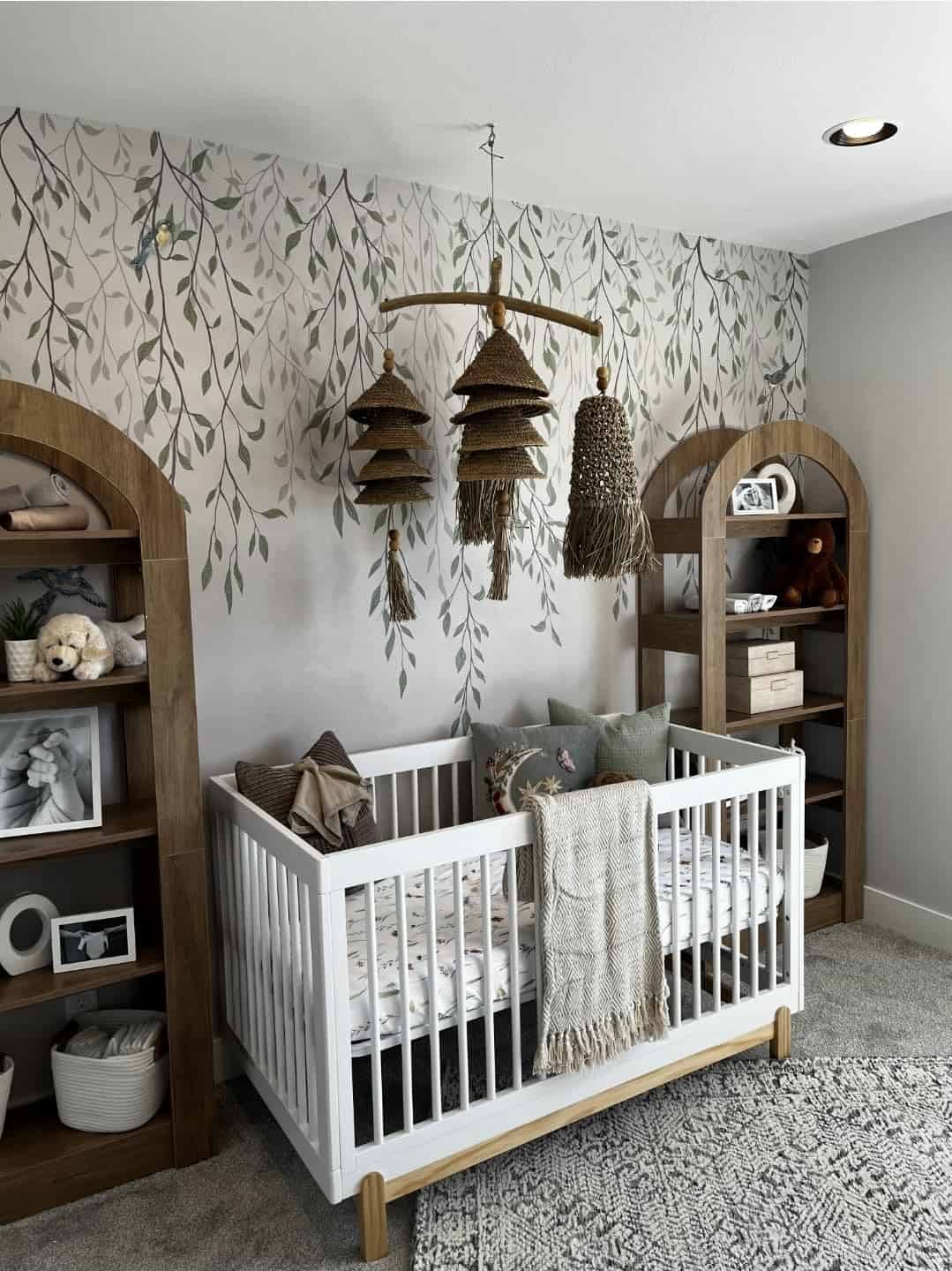
Beautiful Wooden Home Decor Ideas for Every Space
Rich, Darker Wood Shades
Darker wood tones are coming back, and they make a space feel more grounded. They add depth without needing bold color, and they work really well with warm neutrals and deeper accent tones. You’ll see these used on floors and larger furniture pieces where you want that stronger presence.
Combining Different Wood Colors
Mixing wood tones is something you’ll see more of, but it needs to be done right. Stick to similar undertones so everything still feels connected.
Use one main wood tone, then bring in a secondary one for contrast. That keeps it interesting without looking mismatched.
Curated, Collected Wood Pieces
This is where everything comes together. Instead of everything matching perfectly, you’ll start to see spaces that feel collected over time. Mix newer pieces with older ones, let finishes show some wear, and allow those details to add character instead of trying to keep everything looking brand new. That is what makes a space feel complete.
Decorative Cabinetry Details
Base Trims and Support Accents
You’re going to start seeing more detail at the base of cabinets and furniture, and it makes a bigger difference than you’d think. Instead of that flat, unfinished bottom edge, there’s more focus on softer, more styled finishes. Skirted bases, subtle trim work, and even decorative brackets are coming back in a way that makes cabinetry feel complete.
If you like a softer look, a gathered or slightly ruffled skirt at the base of cabinets gives that relaxed, cottage feel. It softens the space and takes away that harsh, straight line most kitchens have.
If you prefer something cleaner, structured pleats or tailored fluting give you that more classic, polished look without feeling too heavy. Brackets and corbels are also showing up more, and they do more than just hold weight. They add shape and detail. Choosing finishes that age well, like brass or nickel, helps everything feel a little more lived in over time instead of overly new. When it comes to hardware, keep it consistent. If your brackets, lighting, and cabinet pulls all fall within the same finish family, everything will feel connected without you having to overthink it.
Repeat Designs
This is where cabinetry starts to feel custom without needing a full custom build. Adding subtle patterns or repeated designs to cabinet faces brings in detail without overwhelming the space. It’s not doing too much, it’s just enough so everything feels layered.
A good way to approach this is to choose one main pattern that stands out, then bring in one or two smaller patterns that support it. That keeps things balanced instead of busy. You can use this on island fronts, appliance covers, or smaller cabinet sections where you want a little more interest.
Color matters here too. Keeping everything within a warm neutral or slightly deeper tone palette makes sure the patterns blend into your space instead of competing.
Creative Wall Art Matting

Patterned and Colorful Border Options
This is one of those details most people overlook, but once you see it done well, it completely changes how art looks in a room. Instead of using a basic mat, you can layer in color or subtle patterns to make the artwork stand out more and connect back to your space.
A larger pattern on the outer mat paired with a simpler inner mat creates depth without making it feel too busy. It gives the artwork more presence without needing to change the piece itself.
Sticking to warm neutrals or slightly deeper tones keeps it looking timeless while still adding that extra detail. This is also an easy way to bring in new tones without repainting or replacing larger items in your home.
Make It Yourself Customization
If you like more personal details, this is where you can get creative. You can layer different mat colors, add fabric, or even paint small details that tie back to other patterns in your space.
The key is keeping everything within the same color family so it still feels cohesive. If you want something more classic, stay within warm neutrals and soft tones. If you like a more collected or slightly eclectic look, adding hand-painted details or textured materials can give your gallery wall more personality without feeling messy.
Bringing It All Together in Your Space
You’re working with a color direction that is soft, flexible, and easy to build on. Warm neutrals set the base, while deeper tones add contrast when you want it. Layering is what makes the difference. Skirted furniture, textured fabrics, and small details help a space feel complete instead of flat.
Patterns work best when they follow a clear color story. One stands out, the others support it, and everything still feels connected. Metals like brass and nickel bring warmth and continue to look better over time, especially when paired with wood tones that feel a little deeper and more grounded.
Tiles, cabinetry details, and finishes all play a role, but they work best when they tie back to the same palette and materials. And personal pieces are what make your space feel like yours. Books, ceramics, collections, anything you actually care about. When they are grouped and styled well, they add character.
The goal is simple, you want your home to feel finished, comfortable, and put together in a way that still feels natural to you.
This post is all about neutral decorating ideas.