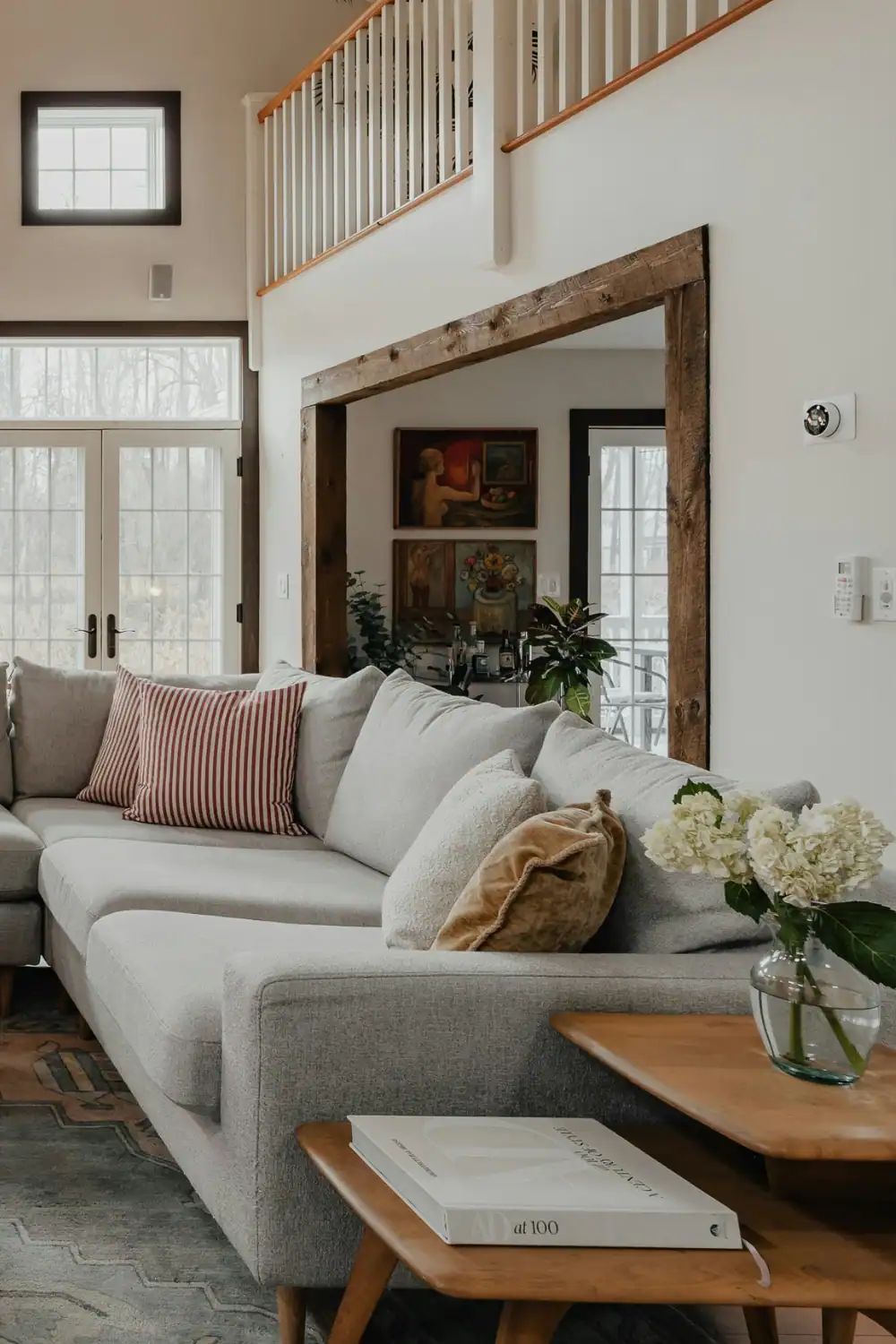
I remember moving into my first apartment thinking I only needed a couch, a coffee table, and maybe like $300 to pull everything together… yeah, no.
I quickly realized furnishing a living room is not nearly as simple as it sounds, and somehow the budget kept growing every single time I thought I was done shopping. Between lighting, rugs, storage, seating, decor, and all the random little things nobody tells you about, it adds up fast.
So let’s really get into the apartment living room essentials you truly need, plus the things that are just really nice to have if you want your space to feel cozy, comfortable, and like a real home. We’re covering everything from minimalist setups to more layered, colorful spaces so you can figure out what works best for your lifestyle and budget.
Trust me, if you’re trying to stay realistic with your spending while still creating a living room you love walking into, these are the things you’re going to want to think about before you start shopping. Keep reading so you have a better idea of what you really need, what can wait, and what makes the biggest difference once you move in.
Easy Shoppable Apartment Living Room Essentials List
If you just want a simple shopping list you can quickly go through while furnishing your apartment living room, here’s an easy breakdown of the main essentials.
Shop the full list here.
Main Furniture
- Sofa or sectional
- Loveseat or accent chair
- Coffee table
- TV stand or media console
- Side table or end table
- Storage ottoman
Rugs and Soft Furnishings
Lighting
- Floor lamp
- Table lamps
- Warm light bulbs
- Overhead light fixture or pendant lighting
Storage and Organization
- Floating shelves
- Bookcase or slim cabinet
- Storage baskets
- Decorative boxes or bins
- Cable management clips or sleeves
Media and Entertainment
- TV
- Speakers or soundbar
- Power strip
- Streaming device
Decor and Styling
- Wall art or framed prints
- Candles
- Coffee table books
- Decorative tray
- Plants or faux plants
- Vases or decorative objects
Flexible Seating and Extras
- Pouf or bean bag
- Accent chair
- Small movable stool or side seat
This gives you a good starting point so you can focus on the apartment living room essentials that matter most first, then slowly layer in everything else over time.
Save For Later:
Amazon Accent Chairs for Living Rooms You’ll Love Sitting In
Coastal Summer Throw Pillow Covers to Style a Beautiful Home
The Best Coffee Tables on Amazon for Small Living Rooms
What to Focus On First:
Selecting a Focal Sofa

Your sofa is the main piece in your living room, so this is where you want to slow down and think about how you’ll really use the space.
A couch can completely change how your apartment living room feels, so comfort, size, and fabric all matters.
Weighing Comfort vs. Visual Appeal
First, decide what matters more to you: a couch you completely sink into or something more structured and clean looking. Some sofas photograph beautifully but feel terrible after sitting on them for an hour… If you can, test the cushions and seat depth in person before buying.
If your living room is more for lounging, movie nights, and relaxing, softer cushions and deeper seating usually feel better long term.
If you want something more polished for entertaining or a cleaner aesthetic, firmer seating keeps its shape better and gives the room a more tailored look.
Sizing the Sofa for Your Room
Before buying anything, measure your space and think about how people will walk through the room. You never want your couch blocking natural movement or making the apartment feel crowded!
In a larger apartment living room, a sectional can help anchor the space and make everything feel grounded. In smaller layouts, a loveseat or slimmer three seater usually works better and keeps the room open.
Don’t forget to measure doorways, elevators, and stairwells before ordering. A couch that fits your living room but can’t fit through your apartment door becomes a very stressful problem very fast!
Picking Fabric and Finish
The fabric you choose changes both the look and the maintenance level of your living room.
Leather gives a cleaner, sleek look and is easier to wipe down, while woven fabrics bring more warmth and texture into the space. If you know your couch is going to get heavy daily use, performance fabrics or stain resistant materials are worth looking into.
Try to keep your sofa color connected to the rest of your living room so the room feels cohesive. And if you want something easier to clean long term, removable cushions or slipcovers make life way easier later on.
Coffee Table Functionality

Your coffee table does a lot more than people realize. It helps balance the room, fills the space between your seating, and gives you a place for everything from drinks and candles to books and remotes. Once you get the sizing and styling right, the whole living room starts to feel more complete.
Size and Scale for a Balanced Look
Start by making sure your coffee table works with the size of your sofa and seating area. A good rule is to keep the table around the same height as your sofa seat or slightly lower. You also want enough space to comfortably walk around it, so leaving about 16–18 inches between the couch and table usually feels best.
The proportions matter here! Too large and the room starts feeling tight, too small and it feels disconnected from everything around it. You want it to feel balanced with the rest of the space instead of floating there on its own.
How Materials Change the Feel of the Room
The material you choose changes both the style and how practical the table feels day to day. Glass and metal help a room feel lighter and more open, especially in smaller apartments where heavier furniture can visually take up a lot of space. Wood brings in warmth and tends to work better if you know the table is going to get a lot of use.
It’s also worth thinking about maintenance… Scratch resistant finishes, tempered glass, or sealed wood surfaces hold up much better once drinks, books, candles, and everyday life start happening around them.
Styling Your Coffee Table Without Overcrowding It
This is where you can bring in personality while still keeping things useful. Maybe a stack of books, a small plant, and a tray for remotes or coasters gives the table a styled look while still making sense for daily use. You don’t need a ton of decor, just enough to make the space feel balanced.
If your apartment needs more storage, look for tables with drawers, hidden compartments, or lower shelving. And if you like rearranging your space often, casters or lightweight tables make moving things around much easier.
Rug Placement and Impact
A rug really can change the entire feel of a living room. It helps connect your furniture together and makes the seating area feel grounded instead of everything floating separately around the room.
Choosing the Right Rug Size
The biggest mistake people make is choosing a rug that’s too small. You want your rug large enough that at least the front legs of your sofa and chairs sit on it. That’s what helps the room feel connected as one full seating area instead of separate pieces scattered around.
In smaller apartments, leave a little visible floor around the rug so the room still feels open. In larger spaces, or open concept apartments, a bigger rug can help anchor multiple furniture pieces together and make the layout feel more cohesive.
A few things that help before buying:
- Measure your seating area first
- Try extending the rug about 18–24 inches beyond the sofa
- In open layouts, size up if you want the room to feel more grounded
Feel, Pattern, and Hue Choices
This is where your living room starts getting personality.
Texture, color, and pattern completely change how the space feels, even if you don’t change the furniture itself. A room with soft textures and warmer tones feels completely different from a room with sleek finishes and cooler colors, so this part really depends on the mood you want once you walk through the door.
Choosing Texture, Pattern, and Color
Start with how you want the room to feel day to day.
If comfort is your priority, softer high pile rugs feel really nice under bare feet and make the room feel warmer and more cozy.
Flatweave rugs hold up better in busy spaces and tend to look cleaner longer, especially if there’s a lot of movement through the room.
Patterns also change the energy of the space. A bold rug or patterned pillows draw your eye in and become more of a statement piece, while solids and softer tones let your furniture and artwork stand out more naturally.
A simple way to think about it:
- Plush textures feel softer and more cozy;
- Flat textures handle daily wear better;
- Bold patterns bring more personality;
- Neutral tones keep the room calm and balanced.
Try to keep your colors connected to your larger furniture pieces so everything flows together visually without feeling too matched.
The Practical Side of Rugs
Rugs don’t just change how a room looks, they change how it feels physically too. They soften footsteps, help reduce echo, and make apartments quieter overall, which honestly makes a huge difference once you start living in the space.
One tip is adding a rug pad underneath helps. It gives extra comfort underfoot, keeps the rug from sliding around, and absorbs more sound throughout the room.
For the best effect, place rugs in the areas you use most, especially around the sofa and seating area where sound tends to bounce around the most.
Optimizing Lighting Arrangements

Lighting completely changes the mood of a living room. A single overhead light usually makes a room feel flat, while layered lighting gives the space depth and makes it feel much more relaxed and comfortable.
Combining General and Task Lighting
Instead of relying on one main light, mix different types of lighting throughout the room. Overhead lights help brighten the whole space, while floor lamps and table lamps bring softer light closer to where you’re sitting. This makes things feel warmer and also works better for everyday things like reading, watching TV, or having people over. Once you start layering lighting, the room feels a lot more comfortable at night (a vibe) instead of overly bright.
Positioning Lights Around the Room
Where you place lighting matters just as much as the fixture itself. Keep lamps near seating areas and conversation spaces so the light falls naturally where people gather. You also want the light spread throughout the room instead of everything coming from one direction.
Adjusting the height or angle of lighting helps soften shadows and makes the room feel more balanced overall.
Choosing Fixtures That Match Your Style
Your lighting should work with the rest of the room, not compete with it! Sleek metals and clean shapes fit modern spaces really well, while warmer textures and softer finishes help a room feel more cozy and relaxed.
The bulb itself matters too. Warmer lighting softens the room and gives it a calmer feel, while cooler lighting feels brighter and more energetic.
Save For Later:
First Apartment Essentials: Furnish Your Apartment for Under $2000
Apartment Essentials (on a Budget) The Ultimate Checklist
Apartment Bathroom Essentials: How to Style a Spa-Like Bathroom
Maximizing Smart Storage
Storage becomes really important once you start living in the space. The more hidden storage you have, the easier it is to keep the room feeling clean without constantly picking things up.
Furniture That Does More Than One Thing
Try to choose furniture that gives you extra function at the same time. Storage ottomans are great because they work as seating, storage, and even a footrest all in one.
Coffee tables with hidden compartments help hide remotes, blankets, or random everyday clutter without taking up more space.
Modular furniture also helps if you like rearranging your layout later on.
Using Vertical Storage
If you’re short on floor space, start using your walls more.
Floating shelves help display decor without crowding surfaces, and taller bookcases or cabinets give you more storage while still keeping the room open.
Going upward instead of outward helps apartments feel less cramped overall.
Keeping Clutter Hidden
The easiest way to make a living room feel cleaner is by hiding the everyday stuff you don’t want sitting out. Media units with closed storage, coffee tables with compartments, and baskets inside shelving all help keep things accessible without everything being visible all the time.
Even simple woven baskets make a big difference when you need somewhere quick to throw blankets, chargers, or smaller items.
Enhancing With Thoughtful Decor
This is the part that makes the room feel personal and fun. Once your larger furniture and layout are done, decor is what helps the space feel warmer.
Wall Art and Statement Pieces
Wall decor fills empty space and gives the room more personality. Larger artwork or a gallery wall works really well above a sofa, while a single statement piece can completely change an empty wall without needing much else around it.
Floating shelves also work nicely here because they add visual balance while still giving you space for smaller decor pieces.
Soft Furnishings for Comfort
Throw pillows, blankets, and rugs are what make a living room feel cozy instead of unfinished. Layering different textures helps the room feel softer and more relaxed, especially if your furniture has cleaner lines or simpler colors.
You can go bolder with patterns if you want a more bold look in the room, or stick with neutrals if you want something calmer and easier to switch around later.
Bringing in Plants and Natural Elements
Plants soften a room in a way decor really can’t. A taller plant in the corner, smaller plants on shelves, or even a few little succulents on a coffee table help the space feel more alive and welcoming. They also help balance harder materials like metal, glass, and wood so the room feels a little more relaxed overall.
Configuring a Media Center

Your media setup can either make the room feel clean and balanced or like cords and electronics completely took over the space…
Stylish and Affordable: The Best Media Consoles on Amazon
Choosing the Right Fit and Layout
Before buying a media console, measure both your TV and the wall space around it. You want enough room for speakers, gaming consoles, or decor without everything looking squeezed together. The TV should also sit comfortably at eye level from your main seating area so you’re not constantly looking too far up or down while watching something (that’s not good for posture, also).
If your apartment is smaller, slimmer consoles or wall-mounted TVs help keep the room feeling more open. And if you know your setup may change later on, modular units are really helpful because you can add shelves or drawers over time instead of replacing the entire thing.
Keeping Wires and Electronics Clean Looking
Nothing ruins a nice setup faster than a mess of visible cords.
Planning where cables go before setting everything up saves a lot of frustration later. Cable sleeves, adhesive clips, or builtin wire channels help hide everything along the back of the furniture instead of having cords hanging everywhere.
It also helps to label power strips and device cords, especially once multiple electronics start getting plugged in together. Small details like Velcro ties or cable boxes make the setup look way cleaner while still keeping everything easy to access when needed. And if certain devices heat up, leave them enough breathing room instead of stacking everything tightly together.
Matching the Media Center With the Room
Your media unit should feel connected to the rest of the room instead of looking like a completely separate piece. Try matching tones or materials with your coffee table, shelving, or sofa nearby. Wood tones bring more warmth, metal finishes lean more modern, and glass keeps things lighter if the room feels crowded already.
Closed cabinets help hide all the less attractive stuff, while open shelving gives you room for books, candles, plants, or framed decor so the setup feels softer.
Adding Versatile Seating Options
Extra seating changes how your living room functions, especially once guests come over or you want more flexibility with the layout.
Honestly, having different seating styles makes the room feel way more layered and comfortable.
Statement Chairs and Casual Seating
A couple of accent chairs can completely shift the room. You can go with compact armchairs, a softer lounge chair, a pouf, or even a bean bag if you want something more relaxed and casual.
The goal is to bring in seating that feels comfortable but still works with the overall style of the room. Different shapes and materials help break things up too, especially if your sofa is larger or more structured.
Arranging Seating for Conversation
The layout matters more than people realize. Try arranging seating so people can naturally face each other without awkwardly turning their whole body to talk. Keeping a central coffee table or rug in the middle helps ground the seating arrangement and keeps everything feeling connected.
You also want enough room to comfortably walk through the space without chairs blocking movement or making the room feel tight.
Mixing Different Seating Styles
Mixing seating styles keeps any living room from feeling flat or overly matched. You can combine softer chairs with structured seating, mix textures, or bring in different finishes as long as something visually connects them, whether that’s color, shape, or material.
It also helps to keep at least one lighter movable piece, like an ottoman or smaller chair, so the layout can shift around when needed.
Save For Later:
Living Room Inspiration Ideas for a Peaceful and Complete Home
9 Easy Cozy Living Room Decor Ideas On A Budget
7 Small Apartment Living Room Decor Ideas You’ll Be Obsessed With Right Now
Blending Function and Style
A living room should look good, but it also needs to work for your real everyday life! The rooms that feel the best usually balance comfort, layout, lighting, storage, and decor all at the same time.
Choosing Furniture Around Your Lifestyle
Think about how you truly use your living room before buying anything major. If your apartment is larger, a sectional might just make more sense… If your space is tighter, loveseats or slimmer seating help everything breathe better.
Leather gives a cleaner look and is easier to wipe down, while fabric tends to feel softer and warmer. Storage furniture also helps more than people expect, especially in apartments where every little bit of space matters.
Balancing Style With Everyday Use
Scale, height, and spacing all affect how the room can feel once everything is in place. Coffee tables should sit comfortably with the sofa height, rugs should anchor the seating area without swallowing the room, and lighting should come from multiple places instead of one harsh ceiling light.
Then, you can layer in smaller things like pillows, artwork, blankets, and plants to soften the room and bring more texture into the space.
Planning for Flexibility

Your living room will probably change over time, so it helps to choose pieces that can adapt with you instead of locking yourself into one exact setup forever.
Modular and Movable Furniture
Furniture that can shift around gives you way more flexibility long term. Modular sofas, rolling coffee tables, foldable chairs, or storage ottomans all make it easier to rearrange things for work setups, movie nights, or just a different layout when you want a refresh.
Pieces with hidden storage or removable sections also help the room stay functional without constantly adding more furniture.
Decor and Lighting That Can Shift Easily
Smaller decor pieces are where you can change the feel of the room more often without spending a ton. From throw blankets to rugs, pillows, plants, artwork, and lighting, all help define the atmosphere while still being easy to switch around later.
Keeping larger furniture more neutral gives you more freedom to rotate smaller accents whenever your style changes or you just want the room to feel different for a while.
Final Thoughts
At the end of the day, your living room should work for your real life, not just look good. So focus on pieces that feel comfortable, make sense for your space, and hold up to how you spend your time at home. A sofa that fits your routine, lighting that can shift from bright to cozy, and a rug that grounds the seating area all make a bigger difference than people expect once everything comes together.
Storage matters too, especially in apartments! Hidden compartments, shelving, baskets, and multi-use furniture help keep the room feeling clean without sacrificing style or comfort. And adding extra seating gives you more flexibility when people come over or your layout changes later on.
It also helps to think long term while shopping… Modular sofas, movable tables, foldable seating, and versatile decor give you more freedom to adjust the room over time. Even smaller things like cable management or storage furniture help the room feel more polished and easier.
Then once the larger pieces are handled, you can start layering in the softer details. Textures, plants, lighting, artwork, and decor are what give the room warmth and make it feel like home instead of just another apartment.